
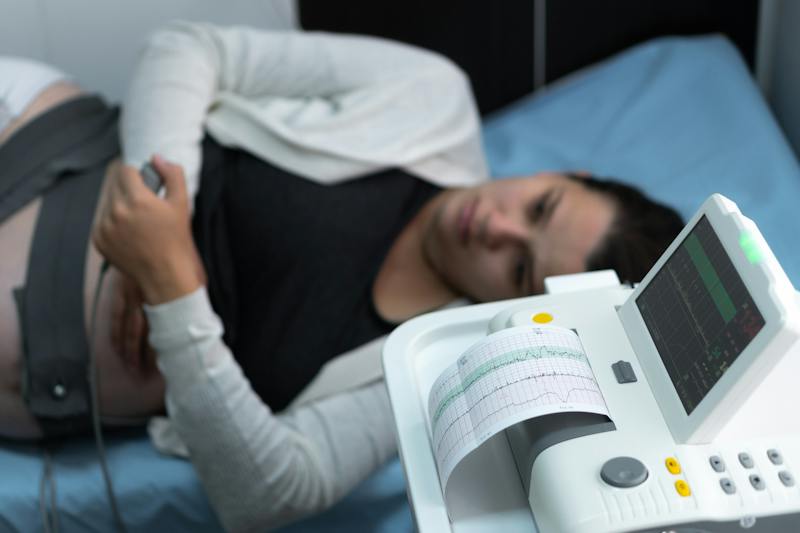
In birth injury litigation, few records are more revealing than fetal heart monitoring strips. These strips often do not show a sudden emergency, but instead show a gradual loss of fetal tolerance that demanded earlier recognition, escalation, or intervention. They contain answers embedded in minutes and hours of clinical data; as such, they must be carefully reviewed in full context.
At McMath Woods, we have spent decades analyzing labor and delivery data to uncover when early warning signs are present but not acted upon. Our work routinely involves close review of electronic fetal monitoring records alongside obstetric and neonatal physician and nursing experts to determine whether subtle changes in fetal heart patterns signaled distress long before an injury became irreversible.
This article examines whether fetal heart monitoring strips can capture those subtle signs of fetal distress, how those signs are understood medically and legally, and how such records are evaluated in Arkansas birth injury cases when families are seeking clarity, accountability, and protection for their child’s future.
What Are Fetal Heart Monitoring Strips?
Fetal heart monitoring strips are continuous graphical recordings produced during labor that track two key data points over time:
- Fetal heart rate (FHR)
- Uterine contractions
These strips are generated through electronic fetal monitoring (EFM), either externally (via abdominal sensors) or internally (via a fetal scalp electrode). Their purpose is to help clinicians assess whether a fetus is receiving adequate oxygen during labor and to identify patterns that may signal developing distress.
Medically, fetal heart rate patterns are categorized and interpreted using standardized frameworks developed by professional organizations such as the American College of Obstetricians and Gynecologists (ACOG). These frameworks evaluate baseline heart rate, variability, accelerations, and decelerations to assess fetal well-being (ACOG Practice Bulletin No. 106).
In a legal setting, fetal heart monitoring strips are not just medical records—they are time-stamped evidence of what was happening to the baby during labor and how clinicians responded. Stated differently, the fetal heart tracings are how a baby communicates during labor.
These strips can help answer critical questions, including:
- When did signs of fetal compromise first appear?
- Did the care team recognize those signs?
- Were appropriate interventions taken promptly?
- Did delays contribute to hypoxic or traumatic injury?
EFM strips often provide a more objective picture than retrospective chart notes. Courts and medical experts rely on the strips to reconstruct the clinical timeline and determine whether the standard of care was met under the circumstances.
What Does “Subtle” Mean, Medically vs. Legally?
From a medical standpoint, “subtle” signs of fetal distress are changes in heart rate patterns that may not trigger an immediate emergency response but can indicate that a fetus is beginning to struggle with oxygenation during labor.
These signs often include:
- Diminished or minimal variability, which can reflect impaired neurologic function or reduced oxygen delivery when it persists over time
- Recurring variable decelerations, particularly when they become deeper, longer, or more frequent, suggesting increasing stress or compromised umbilical blood flow
- Late decelerations that appear mild or intermittent, yet still point to uteroplacental insufficiency and warrant close monitoring and intervention
- A sustained absence of accelerations, which may indicate declining fetal reserves and reduced ability to tolerate continued labor
Viewed in isolation, any one of these findings may be interpreted as borderline or manageable. However, when they persist, recur, or appear in combination, they can mark a progression toward serious injury, including hypoxic-ischemic encephalopathy.
In birth injury litigation, subtle signs matter because the standard of care requires clinicians to:
- Recognize concerning trends, not just emergencies
- Reassess when patterns evolve
- Escalate care when initial interventions fail
A pattern that may be defensible for a short period can become negligent when it persists without an appropriate response. Expert witnesses often focus on whether providers should have recognized the trajectory of the fetal heart tracing—not whether the strip ever reached a catastrophic endpoint. In other words, whether earlier recognition and intervention could have changed the outcome.
How Fetal Heart Monitoring Strips Are Used in Arkansas Birth Injury Cases
In Arkansas birth injury cases, fetal heart monitoring strips are a cornerstone of case evaluation and expert review. At McMath Woods, these records are carefully analyzed to:
- Establish a precise timeline: The strips help identify when distress began, how long it continued, and how medical providers responded throughout labor.
- Compare actions to accepted standards of care: Expert obstetricians assess whether responses were aligned with professional guidelines and hospital protocols.
- Evaluate causation: When neurological injury is present, specialists examine whether prolonged or unaddressed distress likely contributed to oxygen deprivation or trauma (Centers for Disease Control and Prevention – HIE Overview).
- Assess documentation gaps: Discrepancies between nursing notes, physician notes, and the strip itself can raise serious concerns about oversight or communication failures.
Because Arkansas law requires plaintiffs to prove both a deviation from the standard of care and causation, fetal heart monitoring strips often serve as the bridge between medicine and accountability.
When Subtle Signs Speak Loudly
Fetal heart monitoring strips show the subtle signs of fetal distress, which are often the first and clearest indicators that something is going wrong. When those signs are overlooked, minimized, or ignored, the consequences can be devastating. Understanding what these strips reveal—and what should have been done in response—requires both medical insight and legal experience.
If your child suffered an injury during labor or delivery and you are left with unanswered questions, we invite you to contact McMath Woods today. We will take the time to review the fetal monitoring records, explain what they show, and help you determine whether the care provided met the standards your child deserved.