
For over seventy years, McMath Woods has focused on the impact of medical decision-making, documentation, and system failures on patient safety, particularly in labor and delivery, where preventable errors can change a child's life forever.
One of the most critical pieces of evidence in a birth injury case is the fetal heart monitoring strips. These records often offer the most transparent and most objective insight into events during labor: they reveal what healthcare providers knew, when they became aware of it, and how they responded. Legally, the data from fetal monitoring can be the deciding factor between a defendable outcome and evidence of preventable harm.
This article discusses the role of fetal heart monitoring strips in birth injury lawsuits. It explains their significance under Arkansas medical malpractice law and how they help determine whether a child's injury was unavoidable or the result of delayed or inappropriate medical care.
What Fetal Heart Monitoring Strips Show
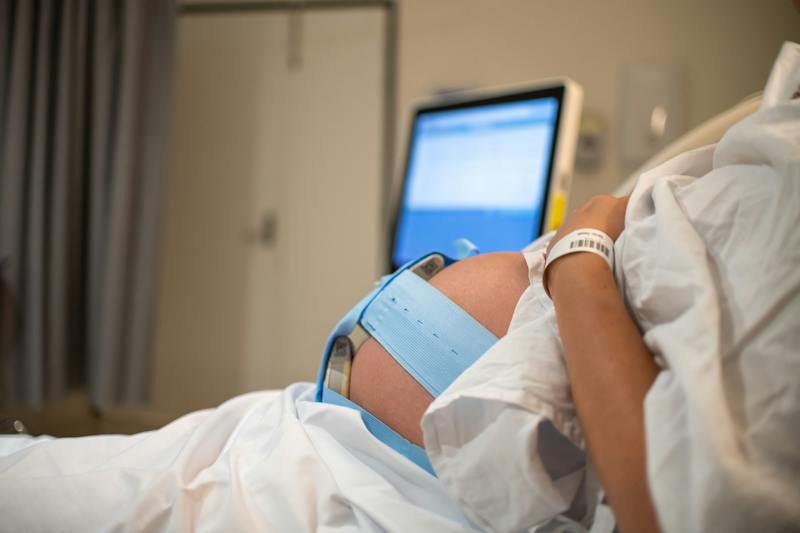
Fetal heart monitoring (FHM) strips are continuous recordings of a baby’s heart rate alongside the mother’s uterine contractions during labor.
Clinically, they guide care decisions as labor unfolds. Legally, they serve a different and critical purpose: helping determine whether healthcare providers met their legal duty to the patient.
In birth injury litigation, FHM strips are commonly used to establish:
- A clear timeline of fetal stress or declining fetal condition
- Warning patterns that should have prompted medical intervention
- Whether the provider's chart notes accurately reflect what occurred during labor
Because these records are automatically generated and time-stamped, they are more reliable than retrospective narrative notes. This makes them especially significant in cases involving:
- Alleged delays in performing a necessary C-section
- Prolonged or arrested labor
- Oxygen deprivation leading to neurological injury
The Legal Standard in Arkansas Birth Injury Cases
Under Arkansas law, a family pursuing a medical malpractice or birth injury claim must prove that a healthcare provider failed to meet the applicable standard of care and that this failure caused injury. Arkansas’s medical malpractice statute requires proof of what a reasonably careful provider would have done under similar circumstances and whether the care given fell below that level.
From a legal standpoint, fetal monitoring strips are used to evaluate key elements of proof in a medical negligence case, including:
- Foreseeability: Whether the monitoring data reflected developing fetal compromise that a reasonably careful provider should have recognized.
- Causation: Whether continued labor or delayed intervention plausibly contributed to the child’s injury.
- Preventability: Whether earlier medical action may have reduced the risk or severity of harm.
This evidentiary framework is especially significant in cases involving neurological conditions such as:
- Cerebral palsy
- Hypoxic-ischemic encephalopathy (HIE)
- Intracranial hemorrhage
How McMath Woods Evaluates Fetal Monitoring Strips in Birth Injury Litigation
In Arkansas birth injury litigation, fetal heart monitoring strips often provide the foundation for determining what happened during labor and whether accepted standards of care were followed. These records offer objective, time-stamped evidence that allows attorneys and medical experts to evaluate when signs of fetal distress appeared, how providers responded, and whether earlier intervention may have prevented harm.
At McMath Woods, we evaluate fetal monitoring strips as part of a comprehensive legal and medical review. Our attorneys work closely with qualified experts to analyze these records in the context of Arkansas medical malpractice law, identify deviations from the standard of care, and determine whether those failures contributed to a child’s injuries. Our attorneys have experience in presenting fetal heart monitoring strips in visually effective ways.
If your child was injured during labor or delivery and you are searching for clear, informed answers, we invite you to contact McMath Woods to schedule a consultation. We will carefully review the fetal monitoring records, explain what they reveal, and help you understand your legal options.