
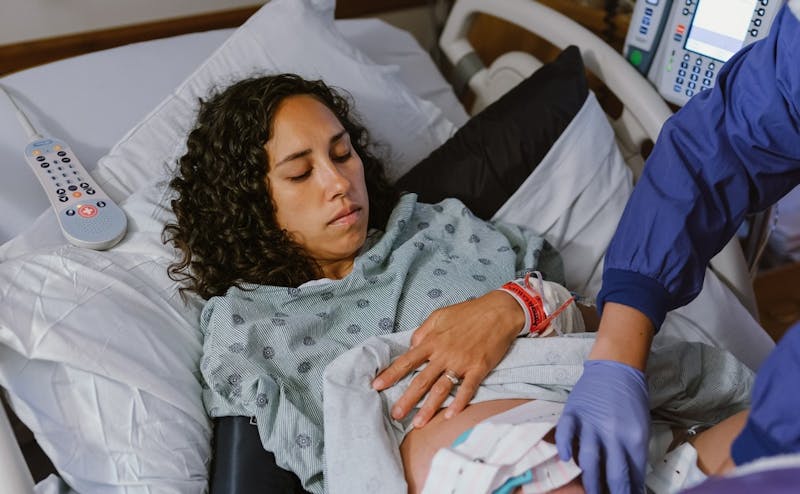
It is essential to say this clearly at the outset: C-sections save lives. For many families, timely surgical delivery protects both mother and child and prevents catastrophic outcomes.
The legal debate surrounding C-sections centers on when a C-section should have been performed and was not, and when a C-section was performed without medical necessity, exposing the mother or child to avoidable harm. In both situations, the law focuses on decision-making, not outcomes.
Courts examine whether healthcare providers followed accepted standards of care, responded appropriately as conditions changed, and acted reasonably based on the information available at the time. Questions of delay, indecision, documentation, and justification are often at the heart of birth injury litigation.
For more than 70 years, McMath Woods has represented Arkansas families in complex medical malpractice cases involving preventable birth injuries. Since 1953, our firm has built its reputation on careful investigation, trial-ready advocacy, and principled accountability—particularly in cases where medical decision-making during labor and delivery has lifelong consequences for a child.
With that foundation, this blog examines the legal issues at the center of the C-section debate: when delayed intervention can constitute negligence, when unnecessary surgical delivery can cause preventable birth injuries, and what legal options may be available to families seeking answers and accountability.
When Delayed C-Sections Become a Legal Issue
Certain labor complications are well known in obstetrics and carry clear risk thresholds that may warrant surgical delivery. From a legal perspective, failure to act in these moments can constitute negligence.
Common scenarios examined in birth injury litigation include:
- Prolonged labor with worsening fetal heart tracings
- Shoulder dystocia and difficult extractions
- Oxygen deprivation due to uterine rupture, placental abruption, or cord compression
- Continued attempts at assisted vaginal delivery despite escalating risk
Research documents strong associations between traumatic delivery methods, delayed intervention, and serious neonatal injuries. The legal question is not whether complications arose, but whether providers responded appropriately when they did.
When an Unnecessary C-Section Causes Preventable Birth Injuries
While Cesarean delivery is often appropriate and lifesaving, it also carries inherent surgical risks. When those risks are imposed without a valid medical necessity, and a child is harmed as a result, families may have grounds to pursue a medical malpractice claim.
From a legal perspective, preventable birth injuries linked to unnecessary C-sections may arise from:
- Improper surgical technique
- Inadequate preparation for neonatal complications
- Rushed decision-making unsupported by fetal monitoring or maternal health indicators
These injuries can include:
- Oxygen deprivation
- Surgical trauma
- Respiratory distress
- Neurological harm that requires long-term medical care
When evidence shows that surgery was not medically indicated—and that the decision directly contributed to a birth injury—a court case may be necessary to establish responsibility and secure compensation for the child’s future needs.
Legal options may be available when an unnecessary C-section involves:
- Failure to obtain informed consent, including not disclosing material risks or reasonable alternatives
- Reliance on inaccurate, incomplete, or misinterpreted fetal monitoring data
- Surgical intervention driven by non-medical factors rather than clinical necessity
- Deviation from established obstetrical guidelines without documented justification
When preventable birth injuries occur under these circumstances, Arkansas law allows families to seek compensation for medical expenses, ongoing treatment, rehabilitative care, lost income, and pain and suffering.
You Deserve a Legal Perspective Grounded in Accountability, Not Judgment
If your child suffered a serious birth injury and you are left with unanswered questions, you deserve clarity—not speculation, dismissal, or silence. A consultation can help you understand whether what happened was unavoidable or whether it should have been prevented. Contact us to schedule a confidential consultation and learn how we can help protect your child’s future.