
Birth injuries can occur in moments where decisions must be made quickly and correctly. From prenatal planning through labor and delivery, small failures in monitoring, communication, or response can carry permanent consequences for a child and their family.
At McMath Woods P.A., our decades of work reviewing medical records and evaluating obstetric care have given us a clear understanding of where breakdowns most often occur—and how many injuries might be avoided with proper safeguards in place.
This article focuses on life-saving, practical steps supported by medical research and clinical guidance that can reduce the risk of serious birth injuries. While no approach can eliminate every complication, informed families and attentive care teams are better positioned to recognize danger early, respond appropriately, and protect newborns during the most critical moments of childbirth.
Risk of Birth Injuries: What the Data Shows
Research published by the American Academy of Pediatrics reports that birth trauma occurs in about 29 out of every 1,000 births in the United States, with scalp injuries among the most frequently observed physical injuries.
Here are some other statistics to keep in mind:
- National analyses show that around 7 out of every 1,000 live births are affected by some form of birth injury, which adds up to roughly 30,000 infants annually in the U.S.
- Studies indicate that clavicle fractures, often related to delivery stress or shoulder dystocia, may occur in 2 to 4 per 1,000 live births, making them one of the more common serious birth injuries
- Brachial plexus injuries, which affect the network of nerves controlling shoulder and arm movement, are reported at about 1.5 per 1,000 live births in the U.S., with higher rates when fetal macrosomia or difficult delivery complications are present
- Severe neurological conditions such as hypoxic-ischemic encephalopathy (HIE)—caused by interrupted oxygen flow during labor—occur at approximately 1.5 to 2.5 per 1,000 live births in developed countries
- Cerebral palsy, one of the most serious long-term outcomes associated with birth injury and oxygen deprivation, is diagnosed in approximately 1.5 to 3 out of every 1,000 live births in the U.S.
How to Reduce the Risk of Birth Injuries
1. Prioritize Consistent, Comprehensive Prenatal Care
Routine prenatal care allows providers to identify maternal conditions—such as hypertension, diabetes, or infection—that increase the risk of complications during delivery (ACOG). Early management of these conditions is critical.
Parents should ask:
- Are there any risk factors that require additional monitoring?
- Should a maternal–fetal medicine specialist be involved?
2. Ensure Continuous Fetal Monitoring During Labor
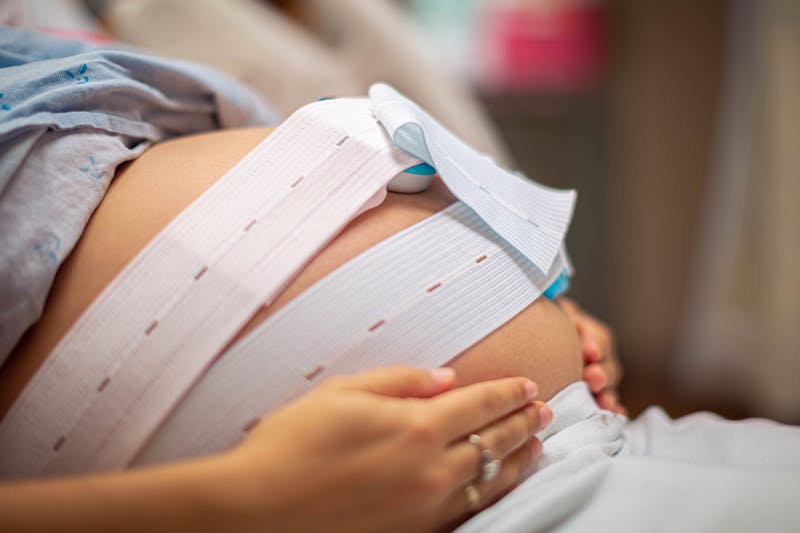
Abnormal fetal heart rate patterns can signal oxygen deprivation or distress. Prompt recognition and response are essential to preventing brain injury. ACOG emphasizes the importance of appropriate fetal surveillance during labor.
3. Do Not Delay Escalation or Emergency Intervention
Conditions such as HIE are often linked to delayed response when labor complications arise. The National Institute of Child Health and Human Development (NICHD) notes that timely intervention before, during, or immediately after birth is critical to reducing the risk of brain injury.
Parents should understand:
- When a C-section becomes medically necessary
- Who has the authority to make emergency decisions
- How quickly can intervention occur if distress is detected
4. Demand Clear Communication and Documentation
Miscommunication among medical staff is a recurring factor in preventable birth injuries. The Centers for Disease Control and Prevention (CDC) highlights the importance of coordinated, well-documented care to reduce maternal and infant harm.
Parents should feel empowered to ask:
- What is happening right now?
- What are the risks if we wait?
- Has my concern been documented?
5. Monitor the Newborn Closely After Birth
Some injuries are not immediately apparent. Seizures, feeding difficulties, abnormal muscle tone, or unusual lethargy may indicate neurological injury and should be evaluated promptly.
When Prevention Fails
Not every birth injury is preventable, but some result from failures to follow accepted medical standards of care. These may include:
- Inadequate fetal monitoring
- Delayed emergency C-section
- Improper use of forceps or vacuum extraction
- Failure to respond to signs of oxygen deprivation
When medical negligence causes injury, families may have the right to seek accountability and financial support for long-term medical care, therapy, and adaptive needs.
McMath Woods: Advancing Awareness, Action, and Advocacy to Save Lives
For decades, McMath Woods has been honored to serve families after a birth injury has occurred, and uncertainty sets in. Our focus at that stage is not general prevention, but understanding what actually happened. We analyze the course of care to determine whether the injury resulted from an unavoidable medical complication or whether critical opportunities to intervene were missed.
That process involves a careful reconstruction of events: reviewing prenatal records, labor and delivery notes, fetal monitoring data, and post-birth care, and consulting medical experts to determine whether the care provided aligned with accepted obstetric and neonatal standards.
When those answers reveal that standards of care were not met, our responsibility is to act. We advocate for families seeking resources to support a child’s long-term medical, therapeutic, and developmental needs, and we pursue accountability to help prevent similar harm to others.
If your child was injured during labor or delivery and you are left with unanswered questions, we invite you to contact us today to schedule a consultation.